

Buying Cryptocurrency for the First Time: A Beginner’s Guide
rn A simple, complete guide to getting started with your first cryptocurrency purchase rn Introduction: rn Stepping into the world of crypto can feel overwhelming, especially with so many unfamiliar terms like exchanges, wallets, and blockchains. But buying crypto is easier than most people...
/p>p>A simple, complete guide to getting started with your first cryptocurrency purchase
Introduction:
Stepping into the world of crypto can feel overwhelming, especially with so many unfamiliar terms like exchanges, wallets, and blockchains. But buying crypto is easier than most people think. Whether you're interested in Bitcoin, Ethereum, or another coin, this guide will walk you through the entire process from choosing a platform to making your first purchase and securing it afterward.
Step 1: Choose a Crypto Exchange
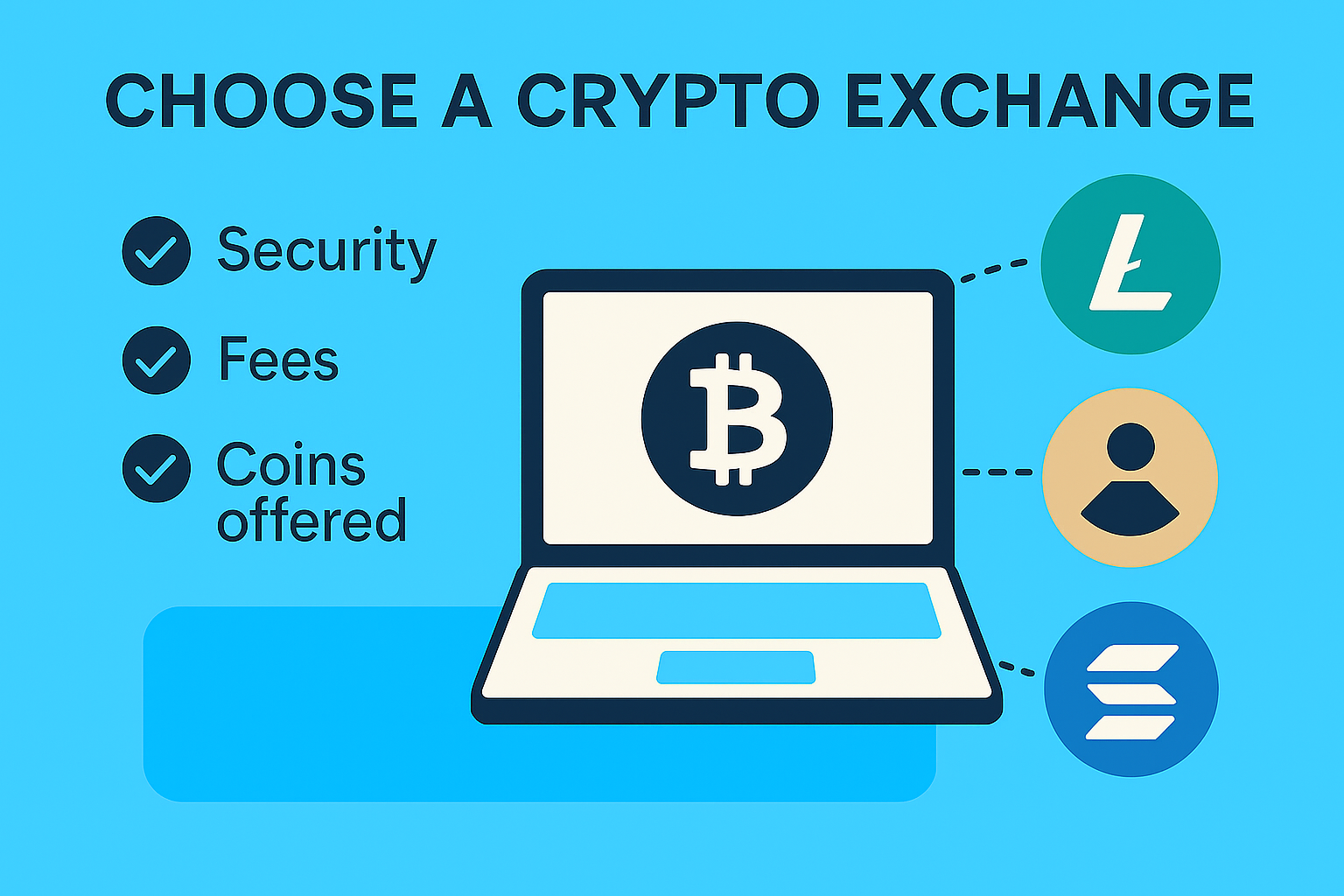
To buy crypto, you’ll first need to register with a crypto exchange. This is a platform where you can convert your local currency (like USD, CAD, AED) into digital assets.
There are two main types of exchanges:
For your first time, a centralized exchange is the way to go. They offer clear interfaces, customer support, and fiat-to-crypto options.
Make sure to:
/h3>h3>Step 2: Create and Verify Your Account
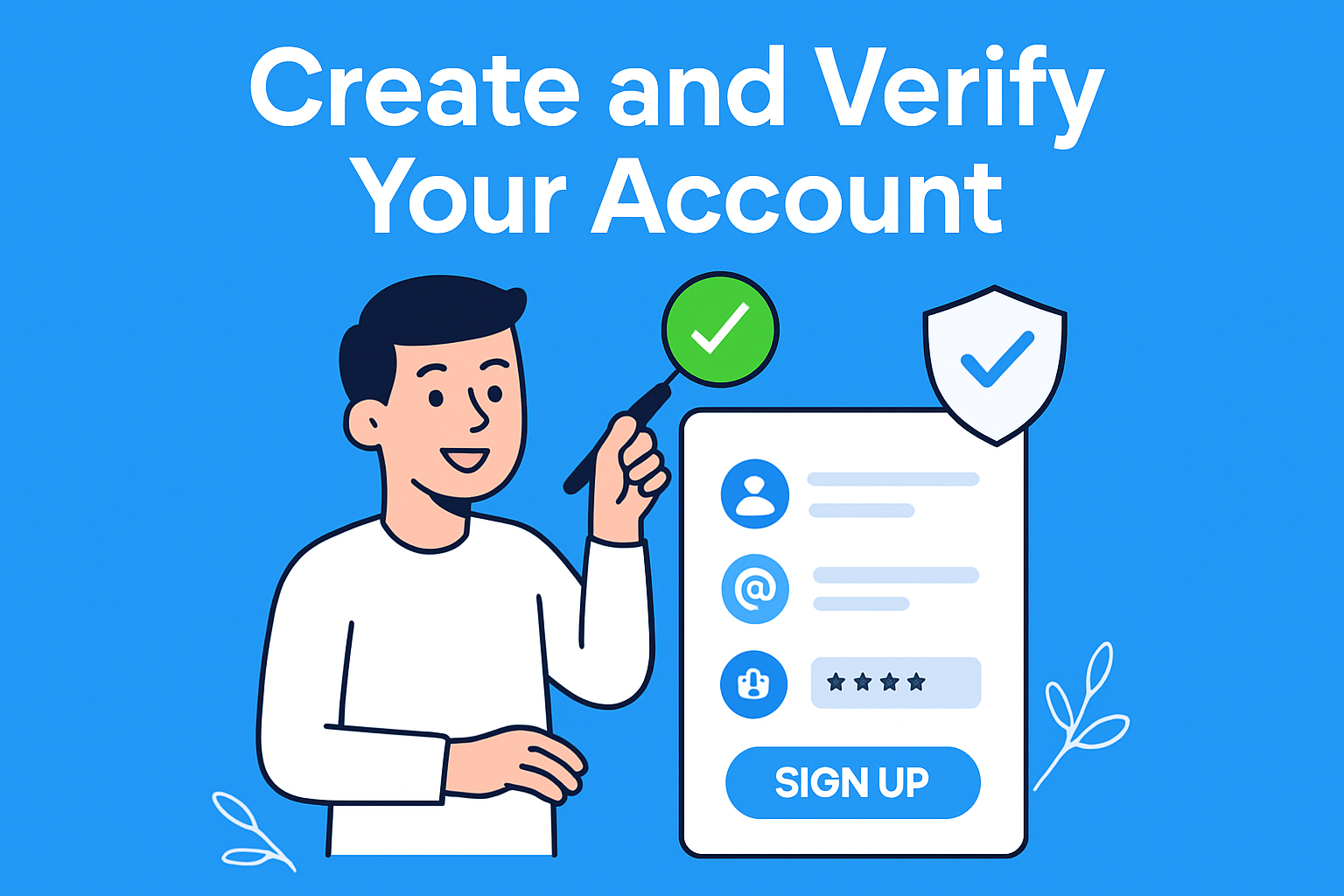
Once you pick your exchange, sign up using your email address and create a strong password. Most reputable platforms will require identity verification before you can buy or withdraw crypto.
This usually means:
This process is part of KYC (Know Your Customer) and is required by law in most countries to prevent fraud and money laundering.
/h3>h3>Step 3: Deposit Funds Into Your Account
After your account is verified, it’s time to add funds so you can buy crypto. Different platforms support different payment methods, including:
Choose the method that best fits your needs. If you're just testing things out, consider starting with a small amount like $25 to get comfortable.
/h3>h3>Step 4: Choose the Cryptocurrency You Want to Buy
Now that your account is funded, you can browse through the exchange’s list of available cryptocurrencies.
For beginners, the most common starting points are:
You can buy a fraction of a coin, so don’t worry about needing to purchase an entire Bitcoin. Simply enter the amount in your local currency (e.g. $50 of ETH), and the exchange will calculate how much crypto you’ll receive.
Once you confirm the purchase, the crypto will appear in your exchange wallet.
/h3>h3>Step 5: Store Your Crypto — Exchange Wallet vs Personal Wallet
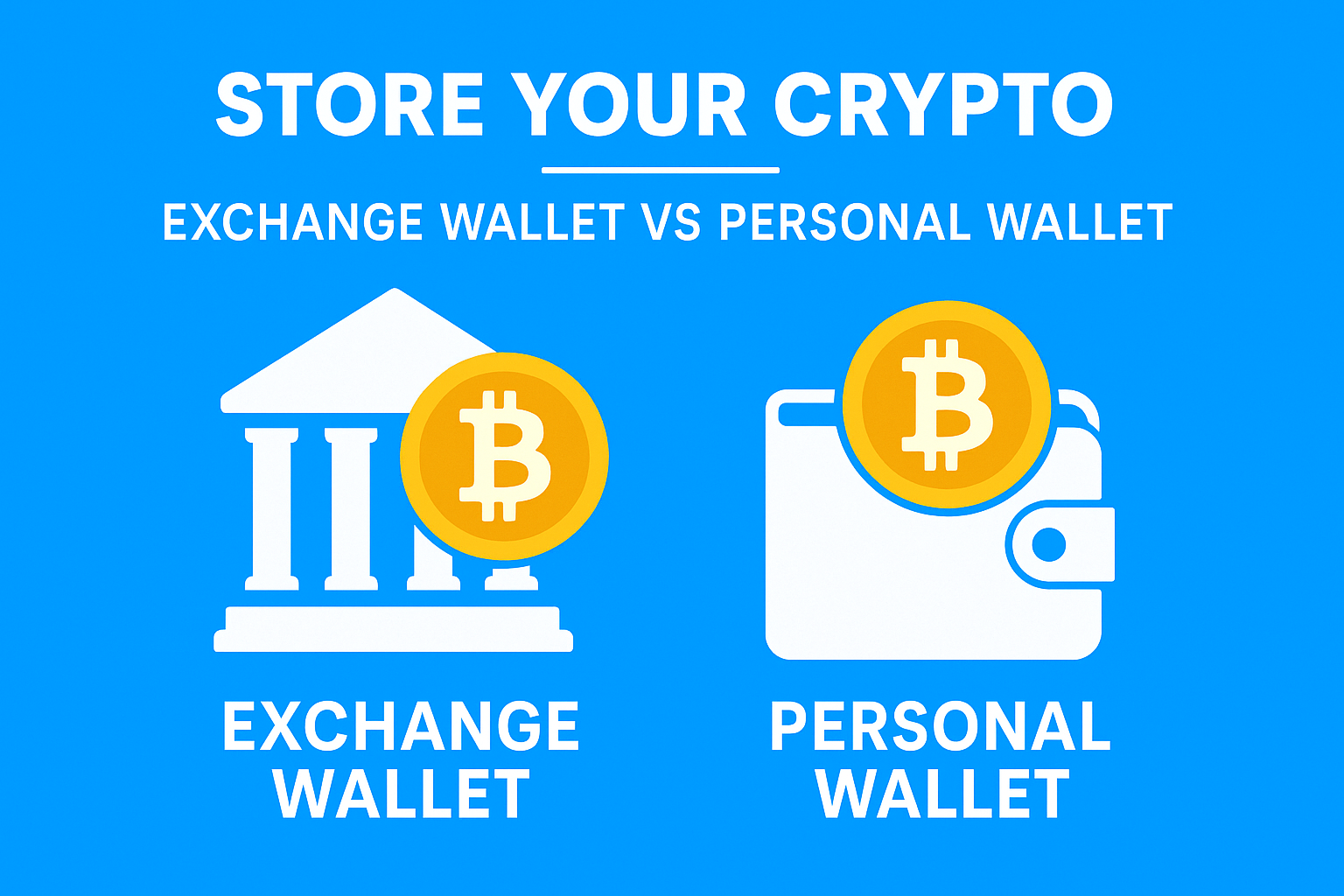
After you buy your crypto, the exchange will hold it in a built-in wallet under your account. This is fine for small amounts or short-term holdings, but you should know thatyou don’t fully control that wallet. The exchange has access to it, and if the platform ever gets hacked or shuts down, you could lose access to your funds.
If you're planning tohold crypto more securely, you should consider transferring it to a personal wallet that onlyyoucontrol.
There are two types:
Hot Wallets
Hot wallets are apps that connect to the internet. They’re easy to use and great for everyday access.
Cold Wallets
Cold wallets store your crypto offline. They’re ideal for long-term holding and higher-value assets.
Once you set up your wallet, you can withdraw your crypto from the exchange by copying your wallet’s address and sending the coins there. Always double-check addresses before transferring, and never share your private key or recovery phrase with anyone.
/h3>h3>Step 6: Protect Your Investment
Whether you leave your crypto on the exchange or move it to a wallet, protecting it should be a top priority. Here’s how to stay safe:
Once you’re comfortable, you can start exploring other crypto tools like staking, NFTs, or decentralized apps, but always take time to learn before diving in.
/p>h2>Recap:/h2>ol>li>Sign up on a trusted crypto exchange/li>li>Verify your identity/li>li>Deposit funds/li>li>Buy your chosen crypto/li>li>Decide how to store it (exchange vs personal wallet)/li>li>Take steps to protect your investment/li>/ol>h3>/h3>h3>Conclusion/h3>p>Buying crypto for the first time might seem intimidating, but once you’ve done it, you’ll realize how simple it can be. Whether you’re starting with just $20 or planning to invest more, the most important thing is to take it slow, stay informed, and protect your assets.
Now that you've made your first crypto purchase, you're officially part of the future of finance. Explore more of our beginner guides to keep building your knowledge and your confidence.
- Centralized exchanges (CEXs)like Coinbase, Binance, Kraken, BitOasis, and Bybit. These are user-friendly and ideal for beginners.
- Decentralized exchanges (DEXs)like Uniswap or PancakeSwap, which are more advanced and don’t require an account, but they assume you already own crypto.
- Pick an exchange that supports your country
- Check their fees (trading and withdrawal)
- Confirm their security track record
- Uploading a photo of your ID (passport or driver’s license)
- Taking a selfie to verify it's really you
- Adding a phone number or enabling 2FA for extra security
- Bank transfers [often lower fees, but can take 1–3 days]
- Credit or debit cards [instant, but usually higher fees]
- Apple Pay, Google Pay, or third-party processors in some regions
- For UAE-based users, BitOasis allows direct AED deposits
- Bitcoin (BTC): The original cryptocurrency and still the most recognized
- Ethereum (ETH): Powers most decentralized applications and NFTs
- Solana (SOL), Avalanche (AVAX), Polygon (MATIC): Known for fast transactions and growing ecosystems
- Stablecoins like USDT or USDC: Pegged to the dollar and useful for transferring funds without volatility
- Examples: MetaMask, Trust Wallet, Coinbase Wallet
- Good for: Moderate amounts, active users
- You control the wallet with a 12 or 24-word recovery phrase
- Examples: Ledger, Trezor
- Not connected to the internet, which makes them extremely secure
- You keep the private keys offline, protected from hackers
- Use 2FA (two-factor authentication) on all crypto accounts
- Never click suspicious links or respond to fake support messages
- Write down your recovery phrase offline and store it in a safe place
- Avoid storing large amounts on exchanges long-term
- Sign up on a trusted crypto exchange
- Verify your identity
- Deposit funds
- Buy your chosen crypto
- Decide how to store it (exchange vs personal wallet)
- Take steps to protect your investment