

Iran's Strait of Hormuz Restrictions Raise Military Escalation Risk
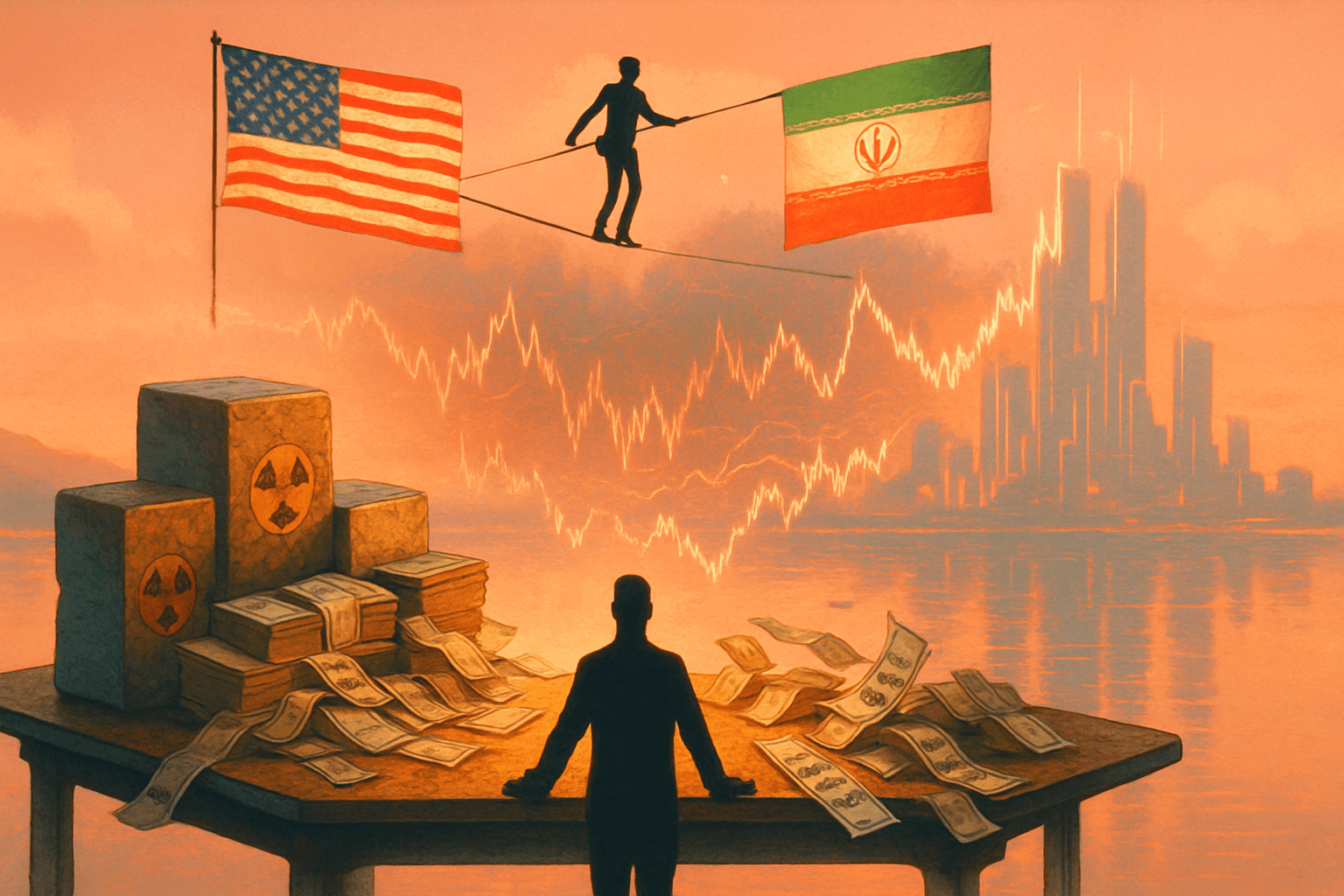
Iran has restricted maritime traffic through the Strait of Hormuz amid a US naval blockade, stalling diplomatic negotiations and raising the risk of military confrontation. The strait carries 20-30% of global petroleum daily, making the move an immediate concern for energy and risk asset markets.
Iran's Strait of Hormuz Restrictions Raise Military Escalation Risk
Iran has restricted maritime traffic through the Strait of Hormuz amid an active US naval blockade, stalling diplomatic negotiations with Washington and raising the probability of military confrontation.
The Strait of Hormuz is the world's most critical oil transit chokepoint. Roughly 20 to 30% of all global petroleum passes through the narrow waterway daily, making any restriction there an immediate concern for energy markets, supply chains, and risk assets worldwide. Iran's decision to complicate passage through the strait signals a hardening of its position at a moment when diplomatic channels were already under strain.
The timing matters. US-Iran negotiations had been progressing in fits and starts, with both sides reportedly working toward a framework addressing Iran's nuclear program and US sanctions. The Strait restrictions have inserted a new pressure point into those talks, giving Tehran leverage while simultaneously increasing the risk that miscalculation tips the standoff into open conflict. Crypto Briefing reported that the move is "complicating diplomatic efforts and increasing the risk of military escalation in the region."
This is not the first time the Strait has become a geopolitical flashpoint. In 2019, a series of tanker attacks attributed to Iran sent oil prices sharply higher and triggered a pronounced risk-off move across financial markets. The January 2020 killing of Iranian General Qasem Soleimani produced a similar pattern: Bitcoin dropped roughly 3% in the 24 hours following the news before recovering, while traditional safe-haven assets including gold and US Treasuries saw inflows. The current situation carries comparable structural characteristics, though the scale of any market response will depend on whether the restrictions escalate further or serve primarily as a negotiating signal.
There is a credible case for the latter. Iran has historically used Strait of Hormuz posturing as a pressure tactic rather than a prelude to sustained military action. Closing or severely restricting the strait would hurt Iran's own regional partners and invite an overwhelming US military response, raising the cost of escalation beyond what Tehran has typically been willing to absorb. Diplomatic back-channels remain open, and a resumption of substantive talks could reverse the current bearish sentiment relatively quickly. Markets have also demonstrated a growing capacity to look through geopolitical noise that does not directly translate into supply disruption or broader conflict.
The risk premium being applied to oil and risk assets right now is not irrational. A genuine disruption to Hormuz traffic would remove millions of barrels per day from global supply almost immediately, with knock-on effects for inflation, central bank policy, and investor appetite for volatile assets like crypto. Bitcoin and altcoins have shown sensitivity to macro shock events even as the asset class has matured, and a sharp oil spike combined with renewed fears of military conflict would test that resilience. The correlation between geopolitical risk spikes and crypto downside has historically been short-lived when conflict is avoided, but front-loaded when it is not.
For the broader market, the Strait of Hormuz situation is a reminder that macro and geopolitical variables remain live inputs for crypto pricing, particularly at moments of elevated uncertainty. With global risk appetite already sensitive to interest rate trajectories and slowing growth in key economies, an oil supply shock would arrive at an inopportune time. How Washington and Tehran navigate the next several days will likely determine whether this episode becomes a footnote or a genuine market-moving event.