Iran's $2M Vessel Toll Disrupts Strait of Hormuz, Rattling Oil Markets
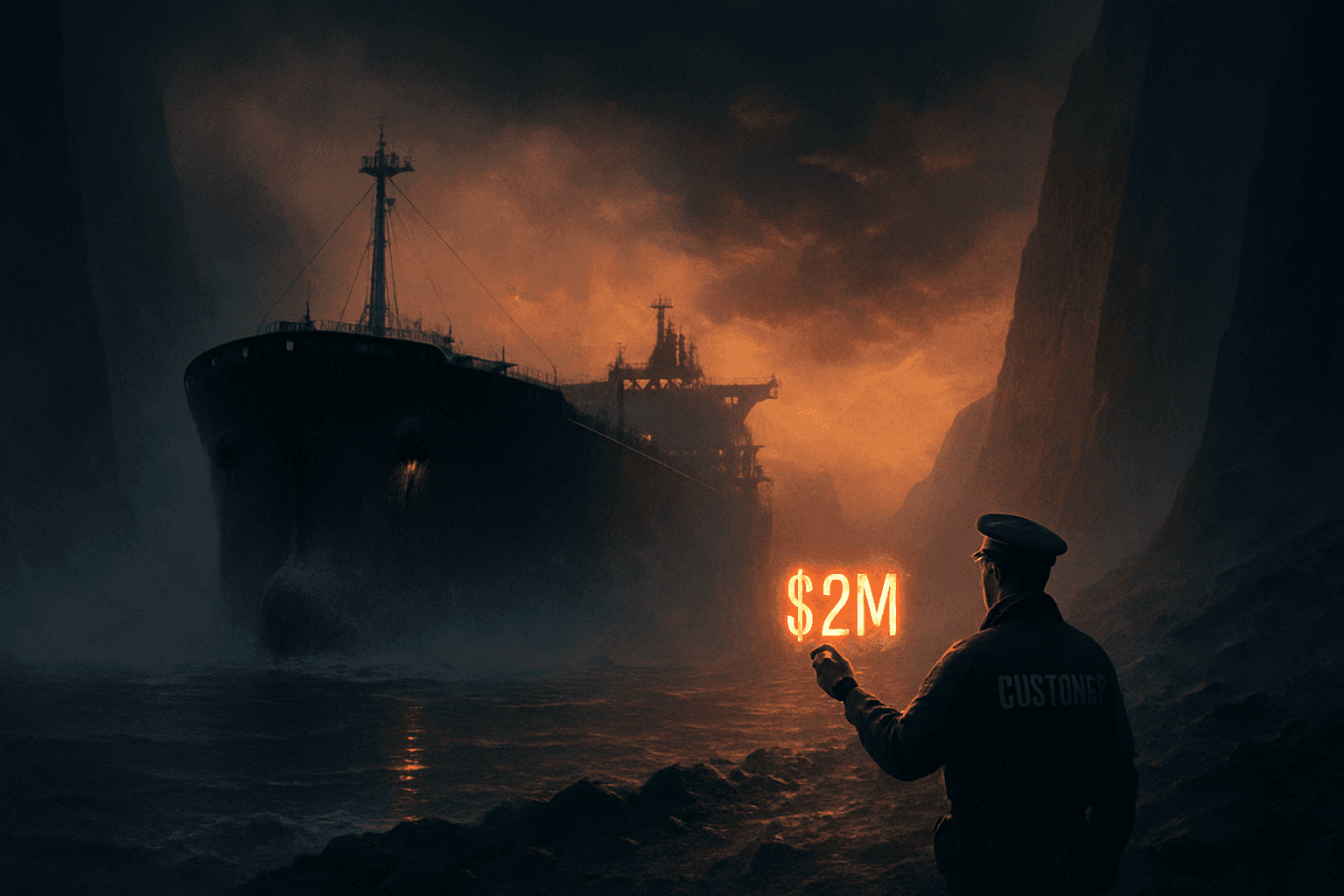
Iran has demanded a $2 million toll per vessel transiting the Strait of Hormuz, triggering a sharp drop in shipping traffic and raising concerns about global energy supply stability and downstream crypto market risk.
Iran's $2M Vessel Toll Disrupts Strait of Hormuz, Rattling Oil Markets
Iran has demanded a $2 million toll per vessel transiting the Strait of Hormuz, triggering a sharp drop in shipping traffic through one of the world's most critical oil chokepoints and raising fresh concerns about global energy supply stability.
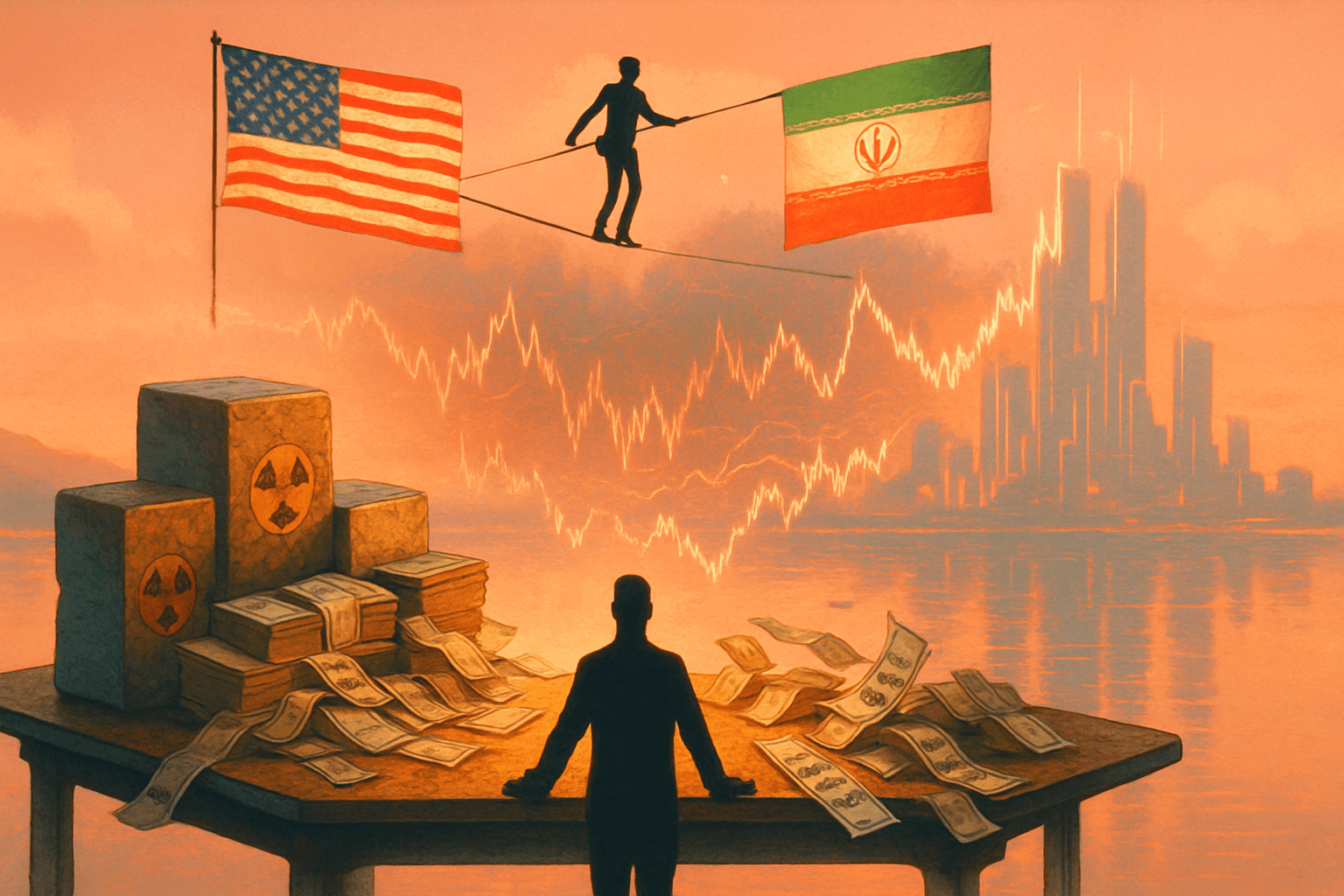
The Islamic Revolutionary Guard Corps (IRGC) is now directing Strait of Hormuz traffic through routes it controls, adding a military dimension to what began as a financial demand. The combination of toll enforcement and IRGC-controlled routing represents a meaningful escalation in Iran's use of the strait as geopolitical leverage, a tactic the country has deployed repeatedly over the past decade.
The stakes are significant. Approximately 20 to 30 percent of global petroleum passes through the Strait of Hormuz daily, making it the single most important oil transit corridor on the planet. Any sustained disruption feeds directly into global inflation calculations, energy cost forecasts, and the macro risk sentiment that moves markets well beyond crude futures. The 2019 tanker attacks in the same waterway sent Brent crude up roughly 4 percent in a single session. The January 2020 U.S. drone strike that killed IRGC commander Qasem Soleimani briefly pushed oil above $70 per barrel. Neither event produced a lasting supply shock, but both demonstrated how quickly Hormuz-related headlines translate into price action.
This situation carries a harder edge. A flat $2 million toll per vessel is not a military provocation that can be isolated as a one-time incident. It is a policy, and if enforced consistently, it restructures the economics of Hormuz transit for every tanker operator, insurer, and oil importer that depends on the route. Shipping companies facing that cost will either pass it downstream, reroute around the Persian Gulf entirely, or reduce transit frequency. All three outcomes tighten effective supply, even if Iranian crude itself keeps flowing. The IRGC routing requirement compounds the risk: placing military personnel in operational control of civilian shipping lanes creates friction points that can escalate rapidly with a single miscalculation.
There are legitimate reasons to treat this as a negotiating posture rather than a permanent shift. Iran has a documented history of using Hormuz threats as leverage in nuclear talks and sanctions negotiations, then walking back the most aggressive positions once diplomatic pressure builds. Some reports suggest the toll demand may be targeted at vessels from specific nations rather than applied universally, which would limit the actual scope of traffic disruption. Alternative routes through pipelines like the Abu Dhabi Crude Oil Pipeline or around the Cape of Good Hope exist, though both add cost and transit time. Oil markets have absorbed Hormuz scares before without a lasting supply shock, and traders know it.
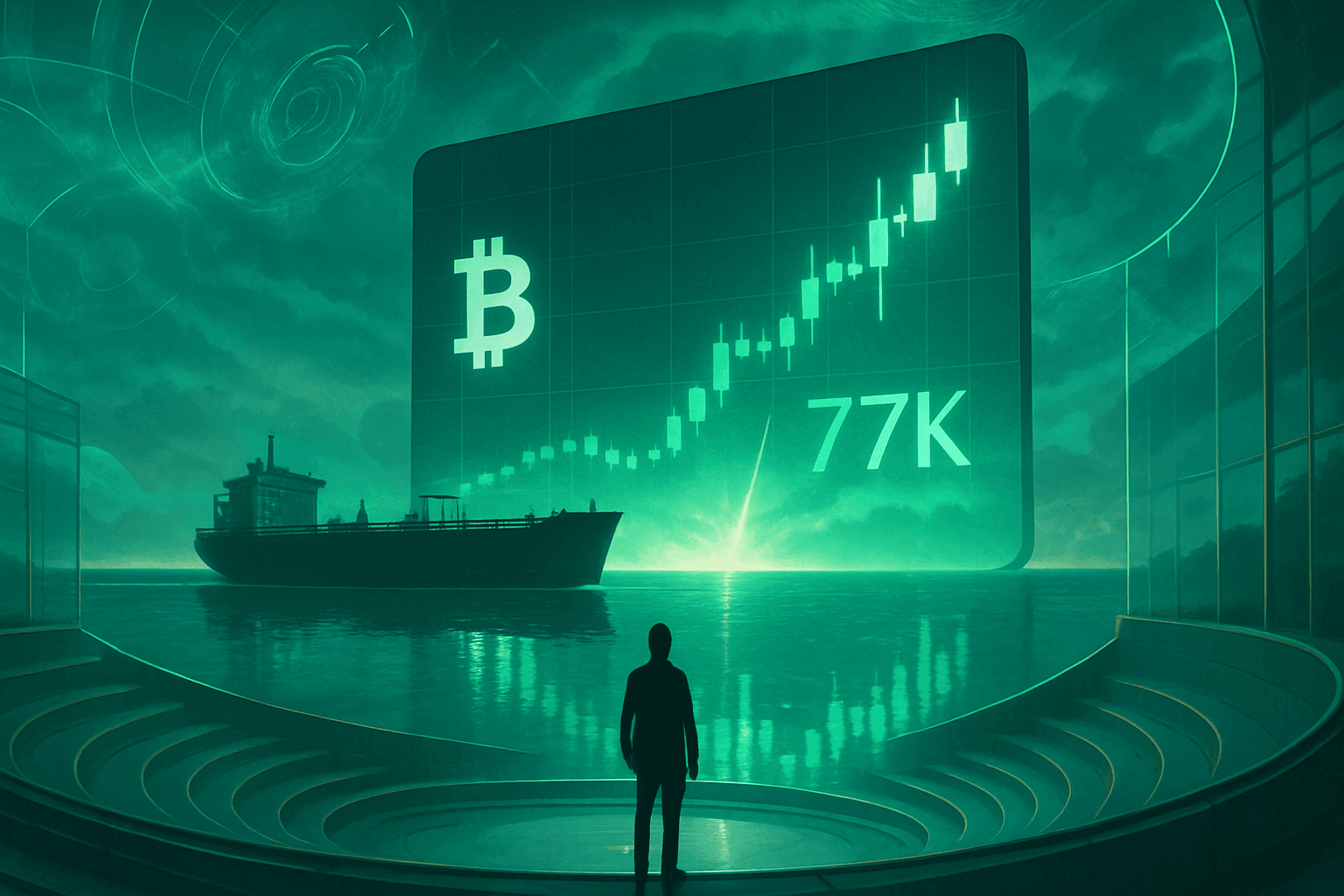
For crypto markets, the transmission mechanism is indirect but real. Sustained oil price increases feed inflation data, which shapes central bank rate expectations, which directly influence risk asset valuations including Bitcoin and the broader digital asset market. When macro conditions tighten on energy cost pressures, institutional investors tend to reduce exposure to higher-volatility assets first. Bitcoin has shown periods of correlation with risk-off moves in equities and commodities during geopolitical stress events, though that correlation is inconsistent. If broader macro conditions remain stable and the Hormuz situation resolves diplomatically, crypto markets may see little direct impact. A prolonged standoff pushing oil toward $100 per barrel would be a different calculation entirely.
The immediate priority for markets is clarity on scope: how many vessels have actually paid the toll, which flags are being targeted, and whether any major oil importers are negotiating directly with Tehran. Until that picture sharpens, uncertainty is the dominant risk factor, and uncertainty has a well-established tendency to price in the worst case first.