
Bitcoin Hits $77K as Iran Opens Strait of Hormuz During US-Iran Ceasefire
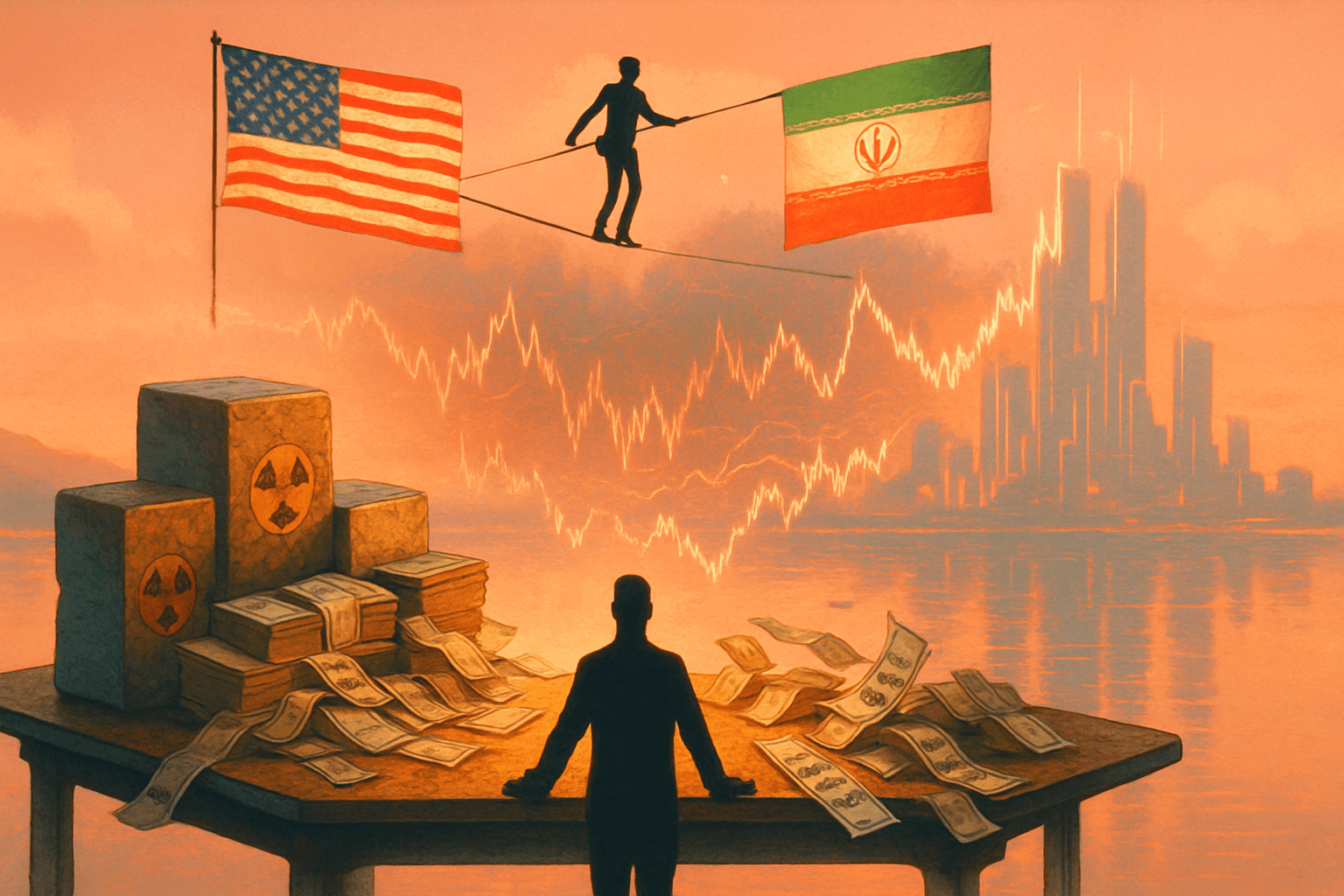
Bitcoin hit its highest price since early February 2026, surging past $77,000 after Iran's Foreign Minister confirmed the Strait of Hormuz open during a US-Iran-Israel ceasefire. Oil futures fell 10% and airline stocks rallied 5% on the news.
Bitcoin Hits $77K as Iran Opens Strait of Hormuz During US-Iran Ceasefire
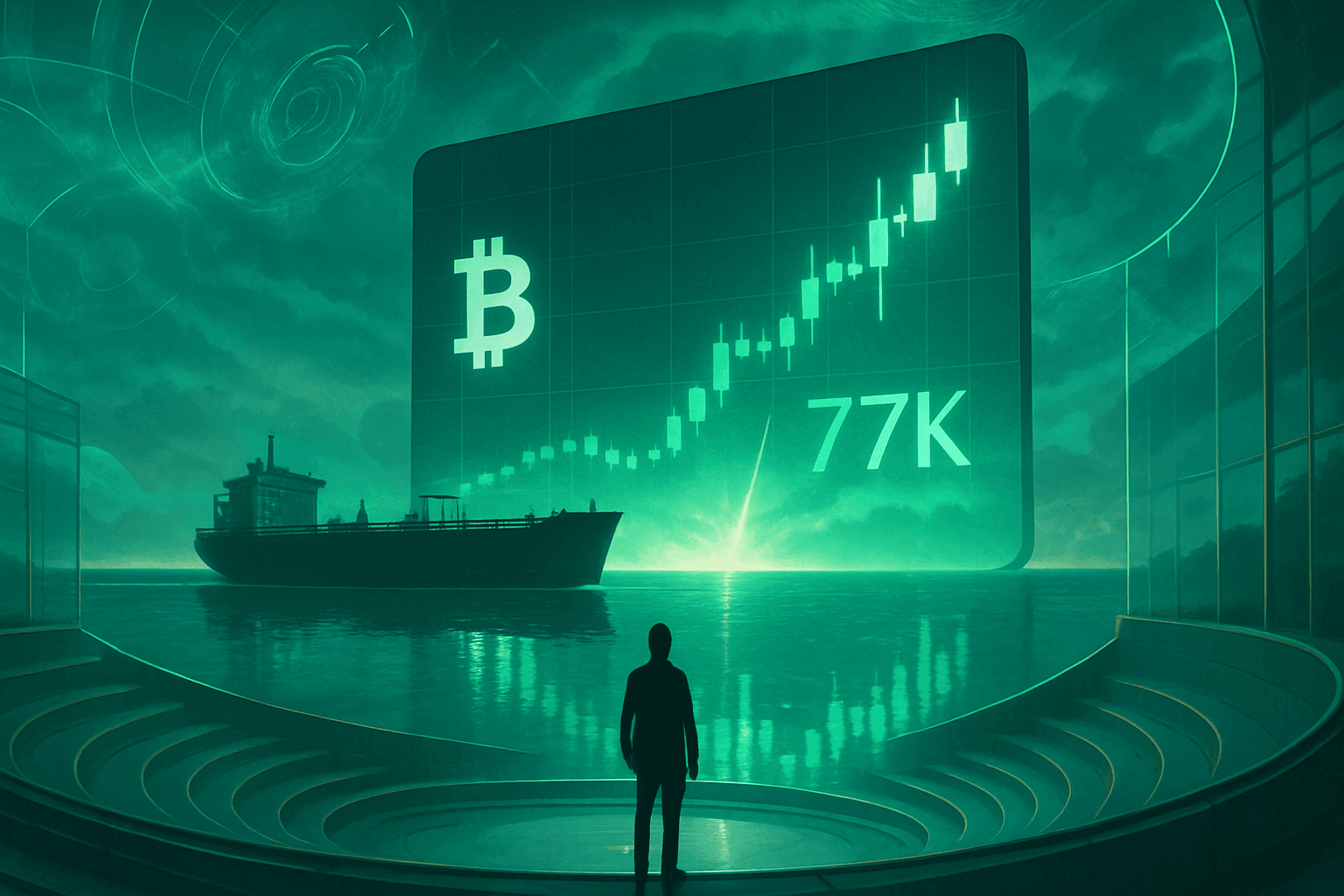
Bitcoin climbed to its highest price since early February 2026 on April 17, surging past $77,000 after Iran's Foreign Minister Abbas Araghchi confirmed the Strait of Hormuz would remain fully open for commercial vessels during an active ceasefire involving the US, Iran, and Israel. President Donald Trump separately confirmed the news on Truth Social, triggering a broad risk-on rally across equities and crypto markets.
The Strait of Hormuz is the world's most critical oil shipping chokepoint, with roughly 20-30% of all globally traded seaborne oil passing through its narrow corridor. Any credible threat to that passage typically sends energy prices and geopolitical risk premiums sharply higher. Thursday's announcement had the opposite effect. Crude oil futures dropped more than 10% within hours of the dual confirmation, as traders unwound supply-disruption hedges built up during months of elevated US-Iran-Israel tensions. US airline stocks rallied more than 5% in the same session, with carriers benefiting directly from expectations of lower jet fuel costs.
Bitcoin's move tracked the broader sentiment shift. The asset crossed $76,000 shortly after the first reports emerged around 12:29 UTC, then extended gains above $77,000 as Trump's Truth Social post provided a second layer of confirmation by 14:55 UTC. Decrypt reported that stock indices also set records during the same window, suggesting the crypto rally was part of a wider flight into risk assets rather than a Bitcoin-specific catalyst. That distinction matters: the price move reflects reduced geopolitical risk premium across markets, not a change in Bitcoin's on-chain fundamentals or demand dynamics.
The ceasefire framing carries important caveats. The Israel-Lebanon component of the agreement is reported to be a 10-day arrangement, raising obvious questions about what happens when that window closes. Shipping firms, whose vessels would actually navigate the strait, have publicly expressed skepticism about the durability of the deal. Their hesitation is grounded in operational reality. Historical precedent in the region is not encouraging: the 2019 tanker attacks, repeated threats to mine the strait during prior Iran-US standoffs, and the broader pattern of agreements unraveling under pressure all argue for caution. Crypto Briefing noted that ongoing shipping industry skepticism "highlights prolonged disruptions and economic uncertainty in global trade" even as official statements signal de-escalation.
There is also a geopolitical wrinkle worth watching. Reports citing US troop withdrawals from Syrian bases, occurring roughly in parallel with the Hormuz announcement, have drawn mixed interpretations. Some analysts read the withdrawal as a sign the US is actively reducing its regional footprint as part of a broader diplomatic reset, potentially opening space for renewed nuclear deal negotiations similar in structure to the 2015 JCPOA. Others view reduced US presence as a potential destabilizing factor that could embolden regional actors and undermine the ceasefire's staying power.
For Bitcoin and broader crypto markets, the immediate read is straightforward: lower oil prices reduce inflationary pressure, which softens the case for prolonged restrictive monetary policy, which in turn supports risk assets. The more durable question is whether this ceasefire holds long enough to shift the macro backdrop in a meaningful way. A 10% single-day oil drop is significant, but it can reverse just as fast if tensions reignite. Bitcoin's rally from below $70,000 to $77,000 over recent weeks has already incorporated some optimism about easing global friction. If the Hormuz reopening proves fragile, that premium unwinds quickly. If it holds and leads to broader diplomatic engagement between Washington and Tehran, the macro tailwind for risk assets becomes considerably more substantial.