
Hong Kong Regulatory Prudence Triggers Delay in First Stablecoin Licenses
Hong Kong missed its Q1 2026 deadline for the first stablecoin licenses as regulators demand higher reserve transparency and stress testing.
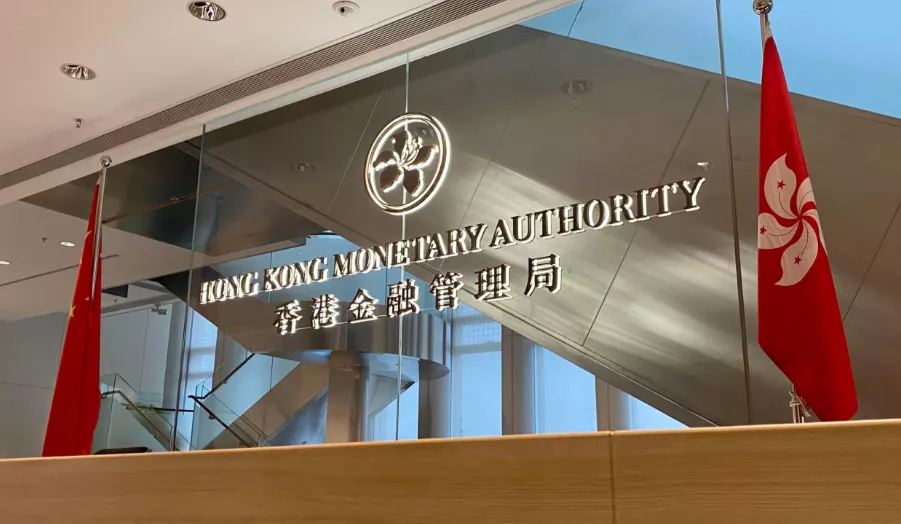
The ambitious timeline for Hong Kong to establish itself as a global hub for regulated digital assets has encountered a significant bureaucratic bottleneck. Despite initial projections from the Hong Kong Monetary Authority that the first cohort of stablecoin licenses would be granted by the end of the first quarter of 2026, the March deadline has passed without a single approval. This delay underscores a growing tension between the administrative desire for regional competitiveness and the rigorous demands of financial oversight in a post-collapse market environment.
The hesitation from regulators appears to be a calculated move rather than a mere administrative oversight. According to reports from regional financial observers, the authority is demanding a higher level of granularity regarding reserve transparency and redemption protocols. Applicants are being pushed to demonstrate not just how they manage daily operations, but how their stablecoins would maintain parity and liquidity under extreme market stress scenarios. This focus on anti-money laundering controls and asset disclosures suggests that the city is prioritizing long-term stability over the optics of rapid innovation.
Expectations for the inaugural wave of licenses remain firmly fixed on the region’s banking titans. Institutions such as HSBC and Standard Chartered have been central to the discourse, with a prominent joint venture involving Standard Chartered, Animoca Brands, and HKT being viewed as a primary candidate. The logic is clear: by anchoring the stablecoin market in established banking infrastructure, regulators hope to avoid the volatility and transparency issues that have plagued decentralized predecessors. However, even these financial heavyweights are not exempt from the scrutiny of the new regime, which took effect in August 2025.
Historical context provides a clear rationale for this cautious approach. Hong Kong’s regulatory trajectory has been deeply influenced by past enforcement challenges, most notably the JPEX fallout in 2023, which resulted in significant retail losses and over a billion dollars in disputed assets. Since the launch of the crypto exchange licensure regime in 2020, only a dozen platforms have secured official approval. This pattern of issuing licenses in staggered waves rather than a singular mass release reflects a deliberate strategy to filter for institutional quality.
While the delay may frustrate market participants eager for a regulated local alternative to dominant global stablecoins, it signals a commitment to a premium standard of digital finance. Beyond the initial banking tier, a second wave of applicants—including major brokerage firms like Futu Securities and the established OSL Group—is already positioning for later rounds. For the global crypto industry, Hong Kong’s silence at the end of March is a loud reminder that the path to institutional legitimacy is paved with rigorous compliance rather than speed.