
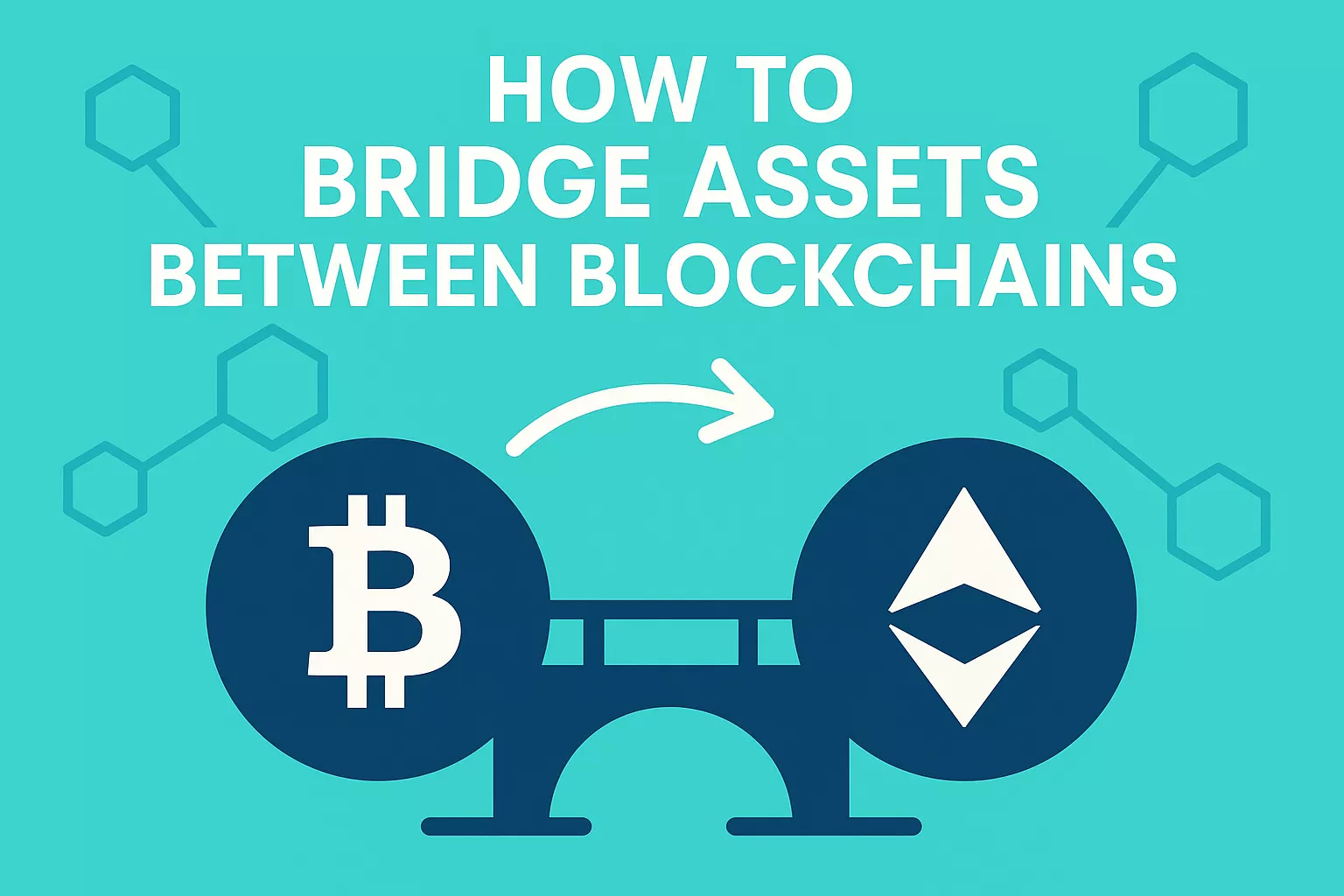
How to Bridge Assets Between Blockchains
rnHow to Bridge Assets Between BlockchainsrnA Beginner’s Guide to Moving Crypto Across ChainsrnIntroduction: Why Bridging Matters in Web3rnIn crypto, different blockchains operate like independent countries with their own rules, ecosystems, and token standards. You might hold ETH on...
/p>h1>How to Bridge Assets Between Blockchains/h1>p>A Beginner’s Guide to Moving Crypto Across Chains
Introduction: Why Bridging Matters in Web3
In crypto, different blockchains operate like independent countries with their own rules, ecosystems, and token standards. You might hold ETH on Ethereum but want to use a dApp on Arbitrum, or hold tokens on BNB Chain while exploring NFTs on Solana. This is where bridgingcomes in.
A bridge allows you to move tokens between blockchains, unlocking access to new platforms, lower fees, or better earning opportunities. Whether you’re yield farming, trying a new Layer 2, or diversifying, bridging is an essential skill for any crypto user.
What Is a Bridge in Crypto?
Abridgeis a tool or protocol that helps you transfer assets from one blockchain to another. Since blockchains don’t naturally talk to each other, bridges act as intermediaries that lock, mint, or release tokens during the transfer.
For example, to move USDC from Ethereum to Polygon, a bridge might lock your USDC on Ethereum and then mint (or release) an equivalent amount on Polygon. Some bridges use wrapped tokens, while others move native assets directly.
How Bridging Works: Centralized vs Decentralized
There are two main types of bridges:
Trusted (Centralized) Bridgesrely on a third party or a validator network to hold your tokens and confirm transactions between chains. These are often easier to use and faster but come with some trust and custody risk. Examples include Binance Bridge, CEX withdrawals, and Multichain (pre-incident).
Trustless (Decentralized) Bridgesuse smart contracts to handle everything on-chain, removing intermediaries. They depend on blockchain consensus to validate the transfer. Examples include Stargate, Hop Protocol, and PortalBridge (Wormhole).
⚠️ Always use official websites and trusted bridges many hacks have occurred through fake or vulnerable bridges.
Popular Crypto Bridges and How They Work
Stargate Finance
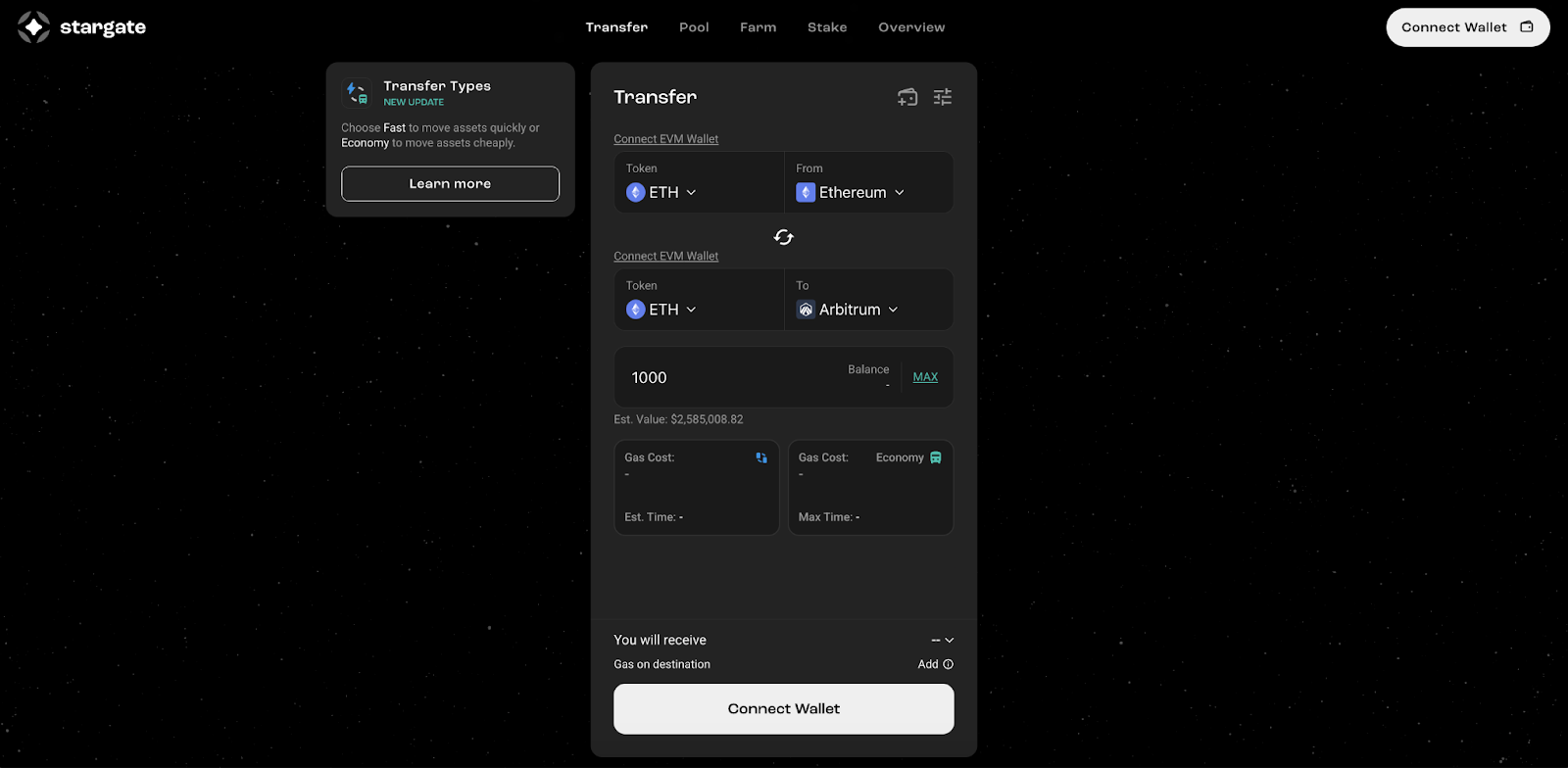
Website:stargate.financebr>Stargate supports Ethereum, Arbitrum, BNB Chain, Avalanche, Optimism, and more. It uses LayerZero technology to enable secure cross-chain transfers of native assets no wrapping needed. To bridge, simply connect your wallet, select the source and destination chains, choose your token, and approve the transaction.
Portal (Wormhole Bridge)
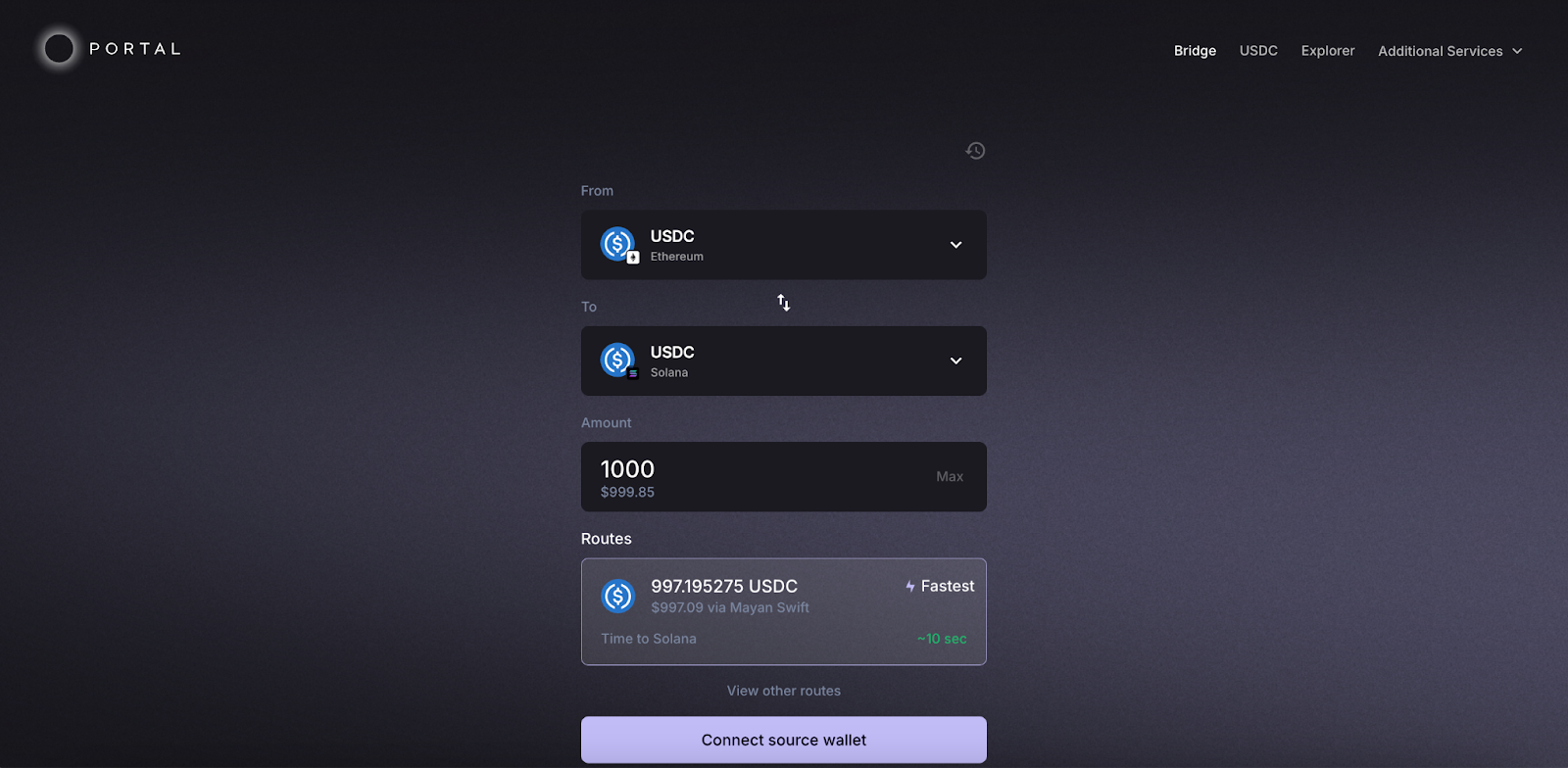
Website:portalbridge.combr>Portal supports Ethereum, Solana, BNB Chain, Avalanche, and others. It works by locking assets on the source chain and issuing wrapped tokens on the destination chain. The process involves selecting your tokens and chains, connecting your wallet (e.g., MetaMask or Phantom), confirming the transaction, and completing the claim on the new chain.
Synapse Protocol
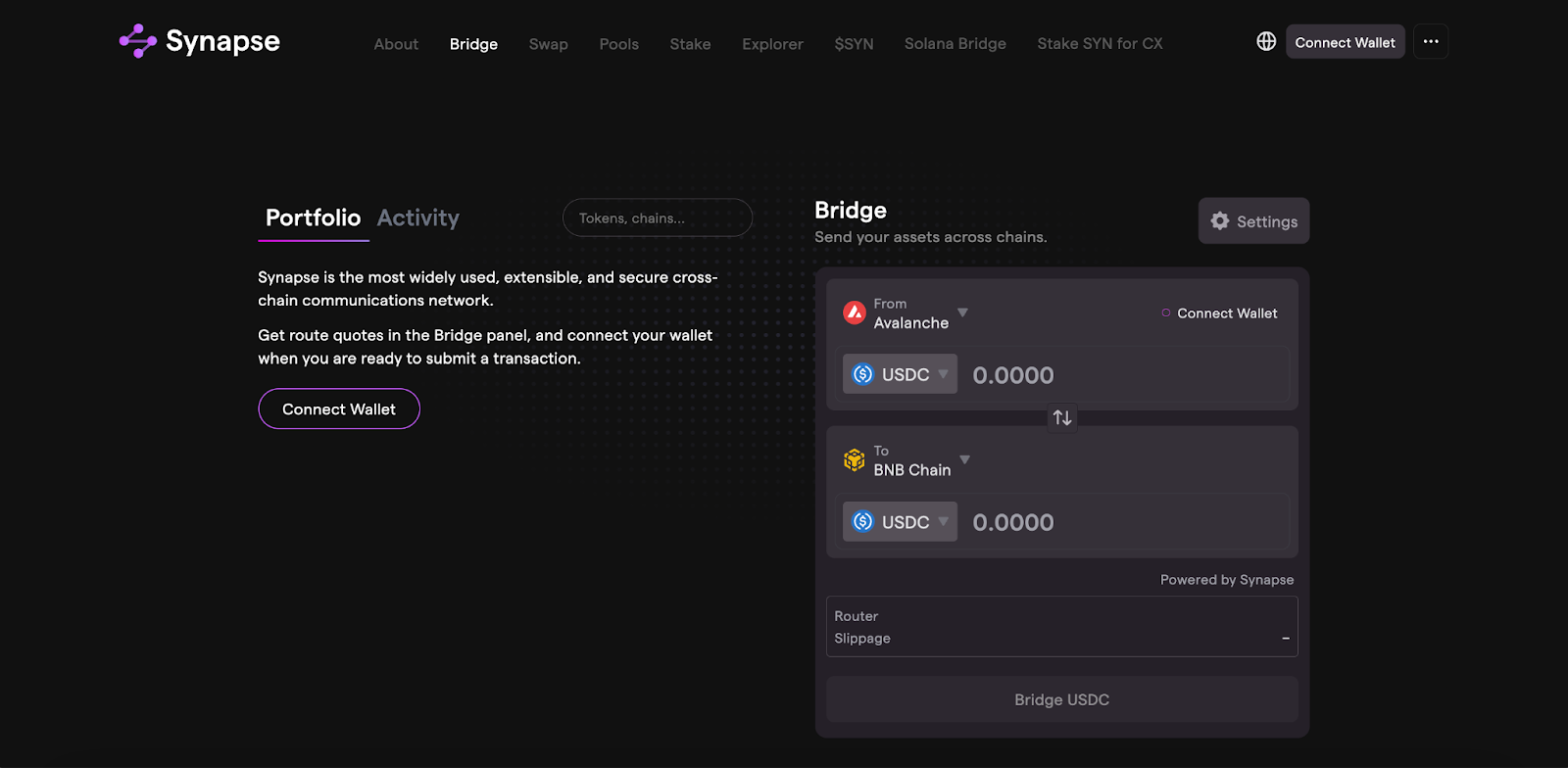
Website:synapseprotocol.combr>Synapse is known for fast and affordable bridging of stablecoins and tokens between L1s and L2s, including Ethereum, Avalanche, Polygon, BNB Chain, and Arbitrum. After connecting your wallet, you select the token and target chain, then approve and wait for the bridge to complete.
Hop Protocol
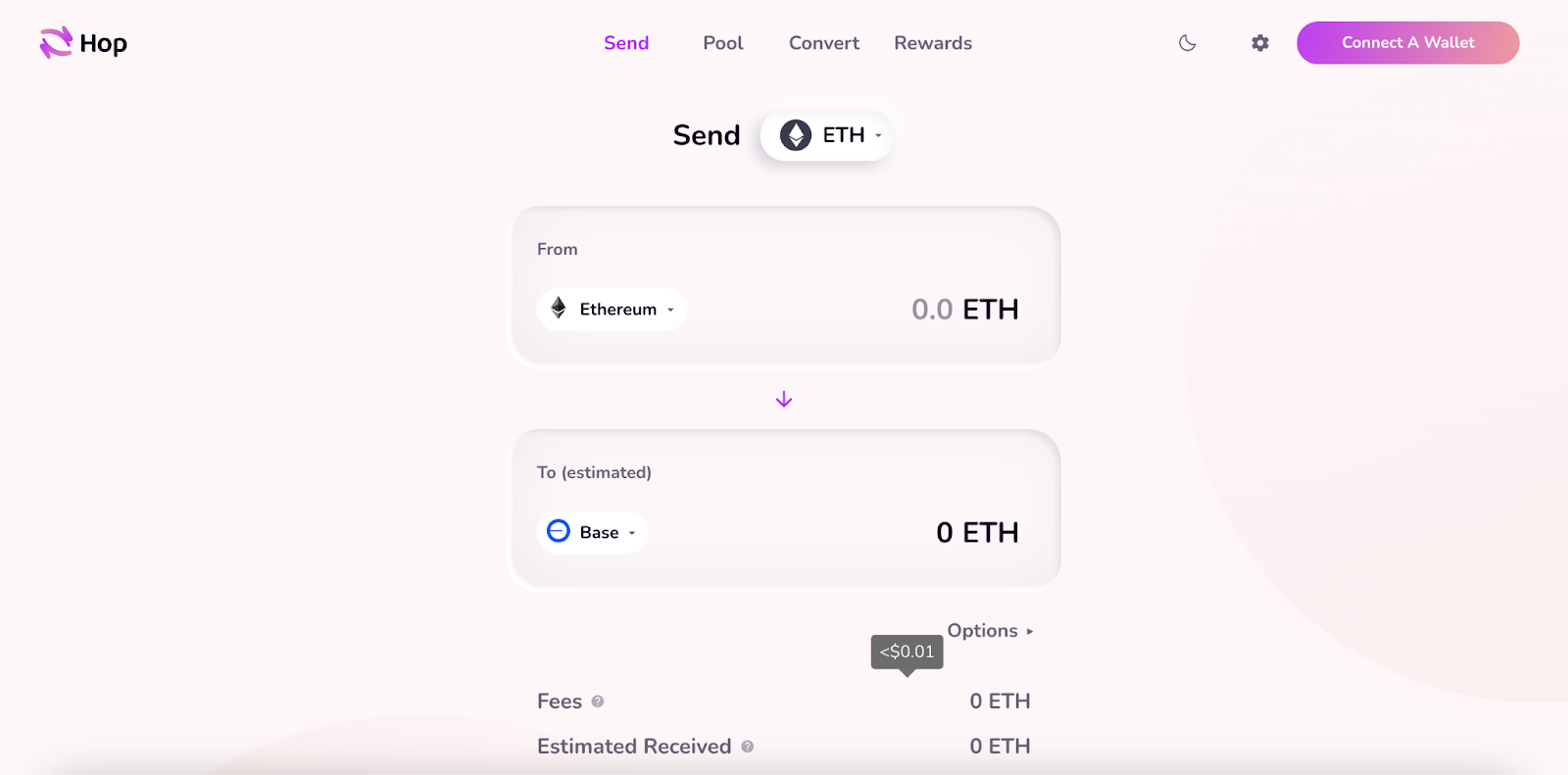
Website:hop.exchangebr>Hop is ideal for Layer 2 bridges such as Arbitrum and Optimism. It supports bridging assets like ETH, USDC, and DAI between major Ethereum-based networks. You simply choose your source and destination, pick the token, and confirm the bridge through your wallet.
Bridging with a Centralized Exchange (CEX)
Bridging through a CEX like Binance or KuCoin is often easier for beginners and doesn’t require using DeFi protocols. While it’s technically not a bridge in the smart contract sense, it achieves the same result: moving funds across chains.
To do this, you first deposit funds from your wallet into your exchange account. Then, during the withdrawal process, choose the destination network. For example, withdrawing USDT to Arbitrum instead of Ethereum. Enter your wallet address on the target chain, confirm, and the exchange will handle the rest.
Benefitsof this method include simple UI, less worry about gas and slippage, and often lower costs for large transfers.Drawbacksinclude KYC requirements, reliance on a centralized entity, and potential delays during network congestion. It also doesn’t support every token especially DeFi-native or newly launched ones.
Best Practices and Safety Tips
When bridging assets, always double check that you’re using the correct official URL of the bridge site. Never rush transactions verify the token, network, and wallet address. Make sure the chain you're bridging to has gas tokens like ETH or BNB to avoid being stuck without funds to complete a transaction. Avoid sending unverified or low-liquidity tokens unless you know what you're doing, as these are often exploited in scams or rug pulls.
For better safety:
Conclusion
Bridging is one of the most powerful tools in your crypto toolkit. It gives you flexibility to access new opportunities, save on gas, and explore apps across different ecosystems. With the right knowledge and a bit of caution, you can bridge assets safely and efficiently.
Start with small transfers, stick to trusted bridges, and double-check every detail. As you get more comfortable, bridging will feel like second nature and unlock the full potential of Web3.
- Bookmark official bridge sites
- Use test amounts first
- Check token contract addresses on CoinGecko or CoinMarketCap
- Keep backup gas tokens on destination chains