

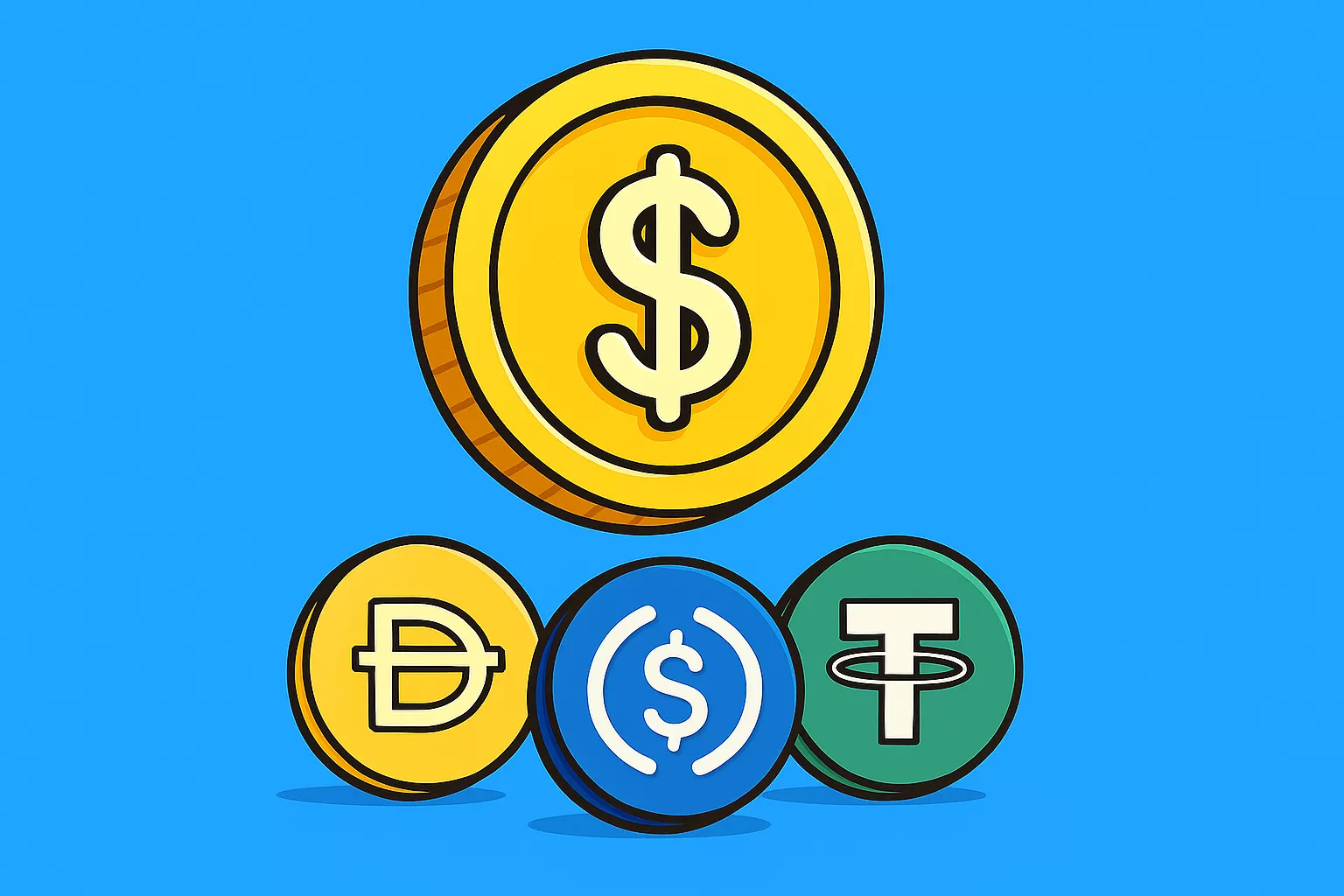
What Is a Stablecoin and Why Are They Important?
rn What Is a Stablecoin? rn A Beginner’s Guide to Crypto’s Most Reliable Currency rn Introduction: Stability in a Volatile Market rn Cryptocurrencies like Bitcoin and Ethereum are known for their price swings. One day you might see your portfolio surge, and the next, it might drop just as...
/p>h1>What Is a Stablecoin?/h1>p>A Beginner’s Guide to Crypto’s Most Reliable Currency
Introduction: Stability in a Volatile Market
Cryptocurrencies like Bitcoin and Ethereum are known for their price swings. One day you might see your portfolio surge, and the next, it might drop just as quickly. This extreme volatility creates a problem for people who want to use crypto for payments, savings, or everyday transactions.
That’s wherestablecoinscome in.
Stablecoins are a special type of cryptocurrency designed to maintain astable value, usually by beingpegged to a real-world assetlike the US dollar or gold. They act as a bridge between traditional finance and crypto, making them one of the most used tools in the entire Web3 space.
How Do Stablecoins Work?
Stablecoins are typically backed by a reserve of assets or use smart contracts to keep their price stable. Most aim to stay at a1:1 ratio with fiat currency, like$1 USD = 1 stablecoin.
There are three main types:
Each has different risk levels, use cases, and trust assumptions but they all aim tominimize price fluctuation.
What Are Stablecoins Used For?
Stablecoins are some of the most-used digital assets across crypto for both beginners and institutions.
Digital Payments– Use stablecoins like USDC to send money across the world in seconds with near-zero fees.
Trading Pair– Traders use stablecoins to cash out gains or move between crypto assets without converting back to fiat.
Savings and Yield Farming– Some users park stablecoins in DeFi platforms to earn interest or participate in lending protocols.
Avoiding Volatility– They give crypto users a “safe zone” during market downturns, without having to leave the blockchain.
Why Are Stablecoins Important?
Stablecoins solve one of crypto’s biggest problems:price volatility. Without them, using crypto for payments, contracts, or everyday services would be impractical.
Key reasons stablecoins matter:
They’re also gaining attention fromgovernments and financial institutions, many of whom are exploringregulated stablecoins or CBDCs.
Where Do You Get Stablecoins?
You can acquire stablecoins through several methods:
Once you hold stablecoins, you can store them in anycrypto walletthat supports the blockchain they run on for example, MetaMask for USDC on Ethereum, or Trust Wallet for BUSD on BNB Chain.
Conclusion: The Backbone of Crypto Utility
Stablecoins may not grab headlines like Bitcoin or meme coins, but they quietly power a massive portion of the crypto world. They're what make DeFi work, trading fast, and real-world payments possible.
If Bitcoin is digital gold,stablecoins are digital dollars accessible, programmable, and always ready when you need them.
Whether you're saving, sending, or just staying steady in a bear market, stablecoins are an essential tool in your crypto journey.
- Fiat-backed stablecoins– These are backed by actual cash or cash-equivalents held in reserves.br>Examples: USDT (Tether), USDC (USD Coin), BUSD
- Crypto-backed stablecoins– These use overcollateralized crypto (like ETH or BTC) held in smart contracts.br>Example: DAI (by MakerDAO)
- Algorithmic stablecoins– These try to maintain stability using code and supply/demand mechanics, often without real backing.br>Example: (Caution) UST — which famously failed in 2022
- Make DeFi, NFTs, and dApps usable for real-world applications
- Offer a fast, borderless alternative to banks for transfers and remittances
- Provide access to dollars and stable assets in countries with unstable currencies
- Enable fast, low-cost movement between blockchains and protocols
- Buy them on exchangeslike Binance, Coinbase, or Kraken using your local currency
- Swap for themon a decentralized exchange (DEX) like Uniswap or PancakeSwap
- Receive themas payment for goods, services, or freelance work
- Bridge themfrom one blockchain to another to use in different ecosystems