
Ponke Takes Meme Culture Offline as a Streetwear Collaboration Tests Crypto’s Quiet Path to the Mainstream
Ponke and RIPNDIP launch retail-first blind box collectibles, using blockchain quietly via NFC to bridge crypto and streetwear.
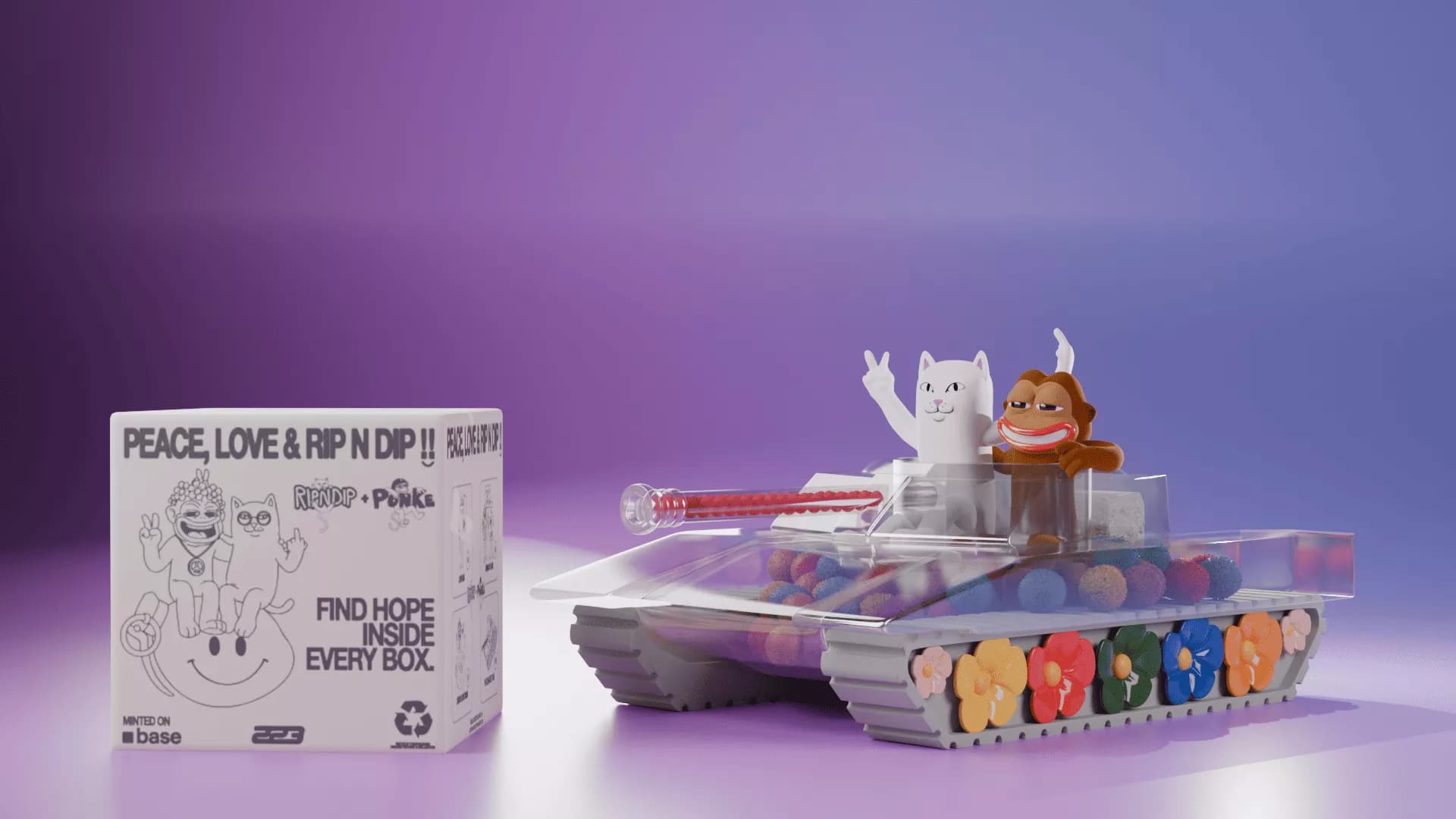
A new collaboration between Solana-based meme coin brand Ponke and streetwear label RIPNDIP is offering a glimpse into how crypto-native projects are rethinking mainstream adoption. Instead of launching digitally first, the partnership begins with a physical retail product: blind box collectibles designed for store shelves, not wallets.
The Ponke x RIPNDIP drop centers on a series of sealed collectible figures sold through RIPNDIP’s existing retail channels. At first glance, there is nothing overtly crypto about the release. Buyers can participate in an online presale starting Friday, followed by a wider retail rollout in April, without needing a crypto wallet or interacting with blockchain infrastructure at checkout. The rarity mechanics are handled entirely offline, preserving the familiar blind box experience long associated with streetwear and designer toys.
The blockchain element enters only after purchase. Each collectible includes an embedded NFC chip that, when tapped, unlocks a digital layer built on Base, the Ethereum layer-2 network backed by Coinbase. The technology enables ownership verification and post-purchase digital claims, operating quietly in the background rather than as the focal point of the drop. As one Ponke representative put it, the release is “a premium, retail-first product designed to live on store shelves,” with blockchain used to extend engagement beyond the point of sale.
This approach reflects a broader shift among consumer-facing crypto brands. For years, many blind box and collectible drops have prioritized on-chain mechanics, often leading with NFTs or token-gated access before delivering physical goods. The Ponke and RIPNDIP collaboration flips that model, treating crypto as infrastructure rather than the product itself. In effect, it is a Web2 shopping experience supported by a Web3 backend.
Collectors will have multiple purchase options, ranging from single boxes to larger packs that influence rarity odds. The headline item in the collection is the Lemon Love Bomb figure, designated as a rare collectible and seeded in roughly one out of every twelve boxes. For higher-volume buyers, certain bundles include a guaranteed rare figure, introducing familiar retail incentives rather than speculative token dynamics.
The strategy mirrors efforts by other crypto-adjacent brands that have found traction by anchoring themselves in tangible consumer goods. By keeping blockchain optional and invisible, projects can use it for provenance, loyalty programs, and future digital experiences without forcing new users to confront the complexity or volatility often associated with crypto markets.
For Ponke, a meme coin brand operating in a crowded and often speculative sector, the collaboration is as much about brand positioning as technology. Partnering with RIPNDIP places the project within established streetwear culture, reaching audiences who may have little interest in tokens but strong affinity for collectible drops and limited-edition merchandise.
As crypto continues to search for sustainable consumer use cases, experiments like this suggest that adoption may not come from louder on-chain features, but from quieter integrations. By letting the product lead and the blockchain follow, Ponke and RIPNDIP are testing the idea that crypto works best when it fades into the background.